The National and Kapodistrian University of Athens (NHUA) research team has been actively engaging schools and students in citizen science initiatives to foster a deeper understanding of marine ecosystems and the environmental challenges they face. These activities are designed not only to educate and empower young participants but also to integrate them into meaningful scientific research, bridging the gap between academic knowledge and real-world application.
Hands-On Learning: Exploring Marine Science Through Citizen Science
The program consists of three key exercises that introduce students to essential marine science concepts through structured, step-by-step activities:
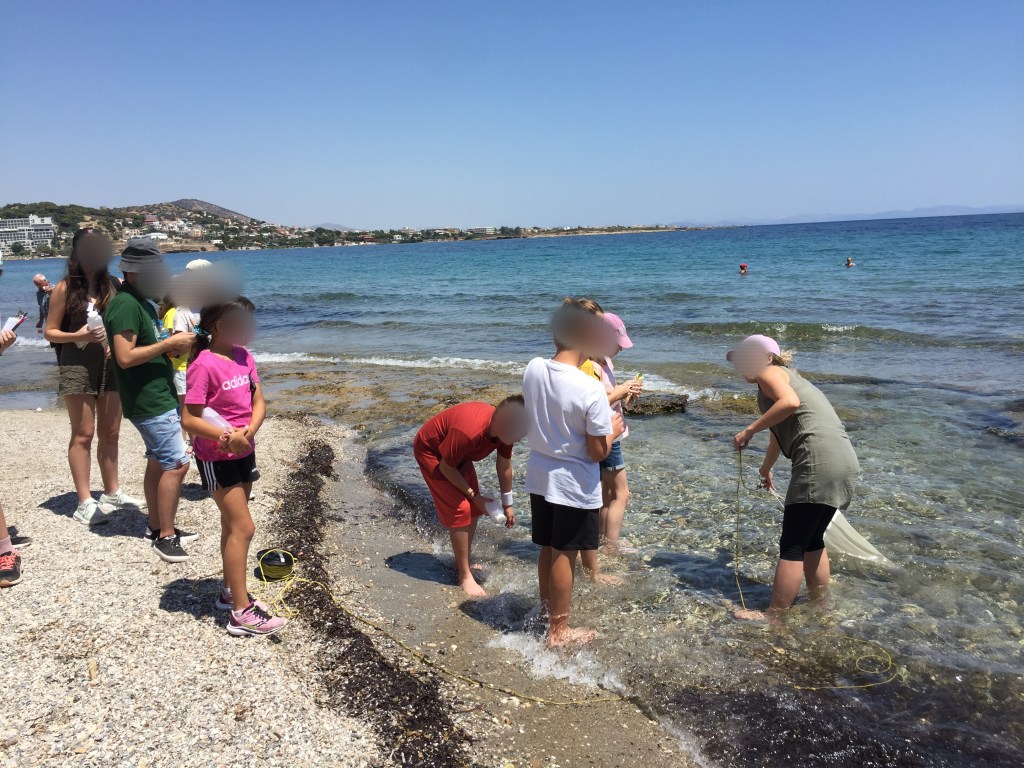
- Collection and observation of marine phytoplankton
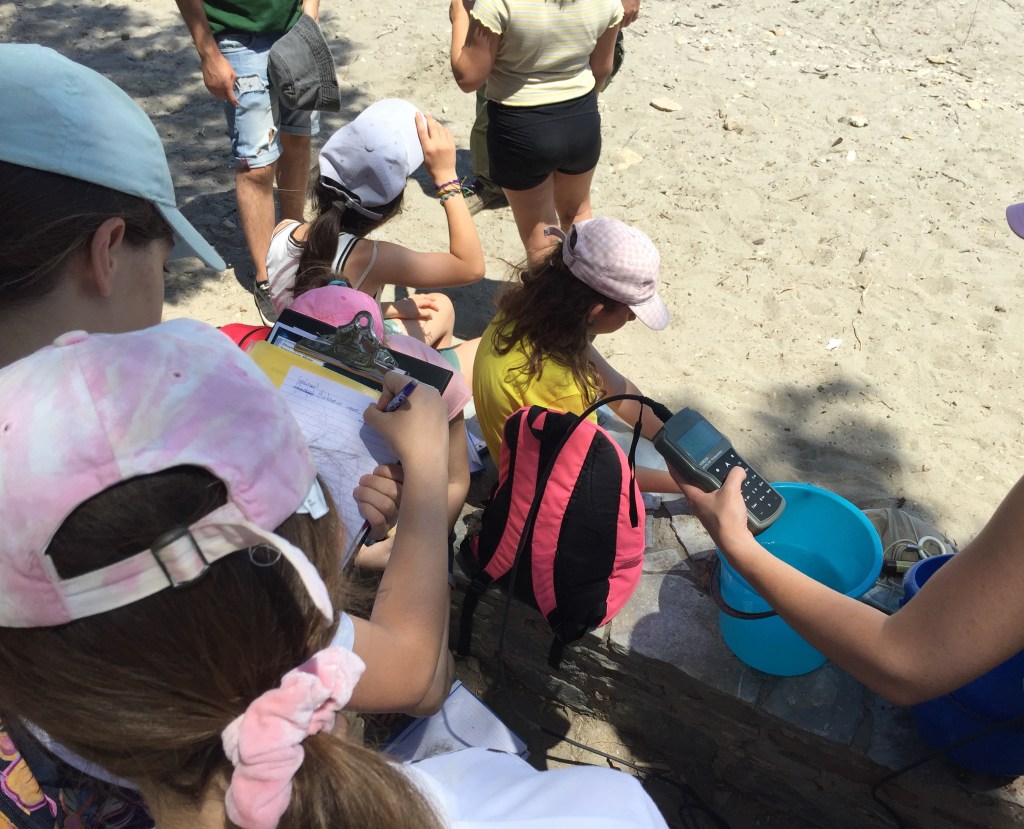
- Measurement of seawater pH and temperature
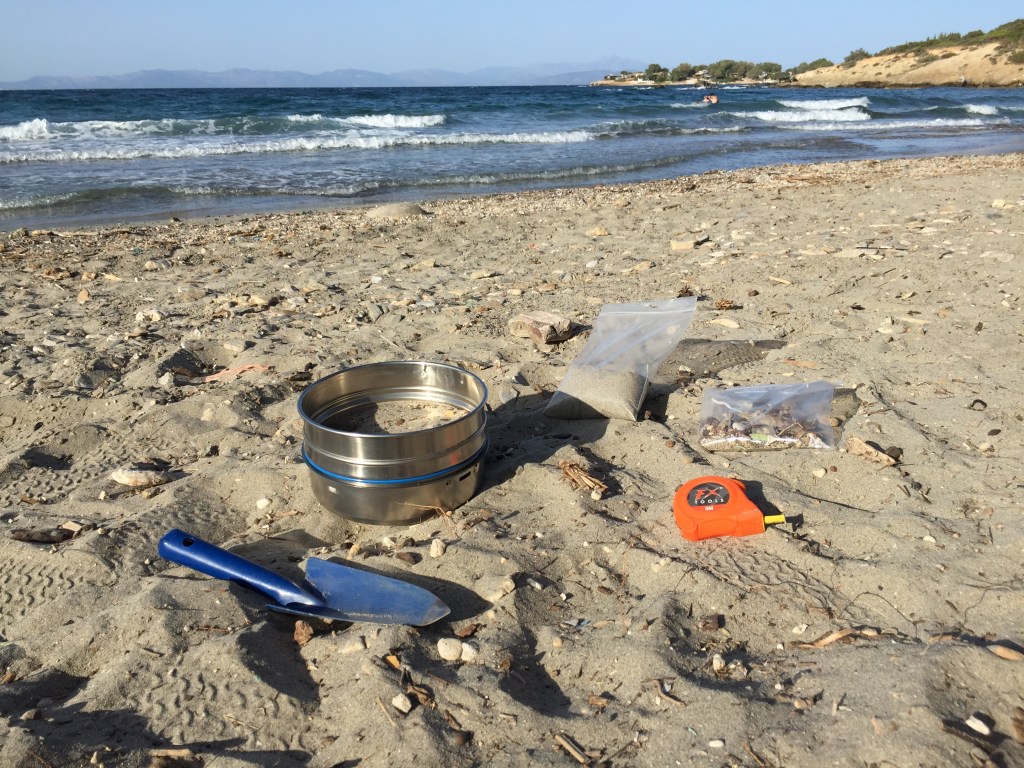
- Monitoring of microplastics
Each topic is introduced with an overview of its significance in the context of broader environmental issues such as climate change, pollution, and ecosystem degradation. Students begin by gaining essential background knowledge, helping them connect scientific concepts to their everyday lives.
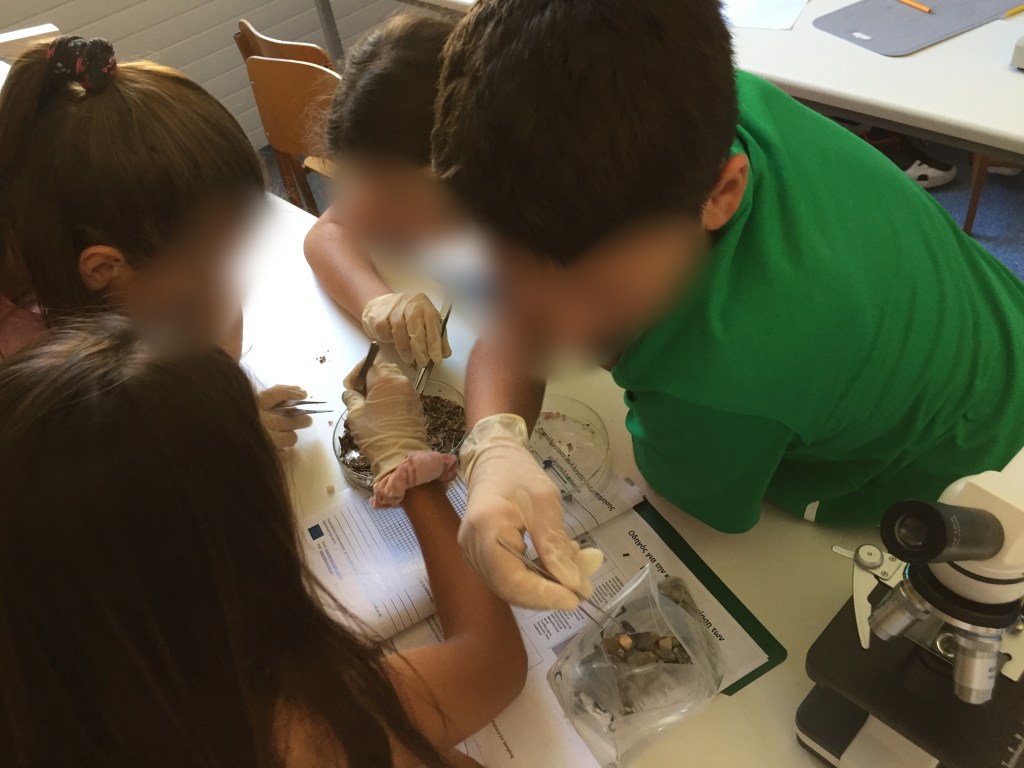
A key feature of the initiative is its hands-on demonstrations, which familiarize students with scientific tools and techniques. These include microscopes for phytoplankton observation, pH meters and pH paper for analyzing water acidity, and frugal sampling kits for microplastic collection. To ensure inclusivity, the program integrates practical, low-cost alternatives, allowing students from diverse backgrounds to participate effectively, even without access to advanced laboratory equipment.

Empowering Students as Citizen Scientists
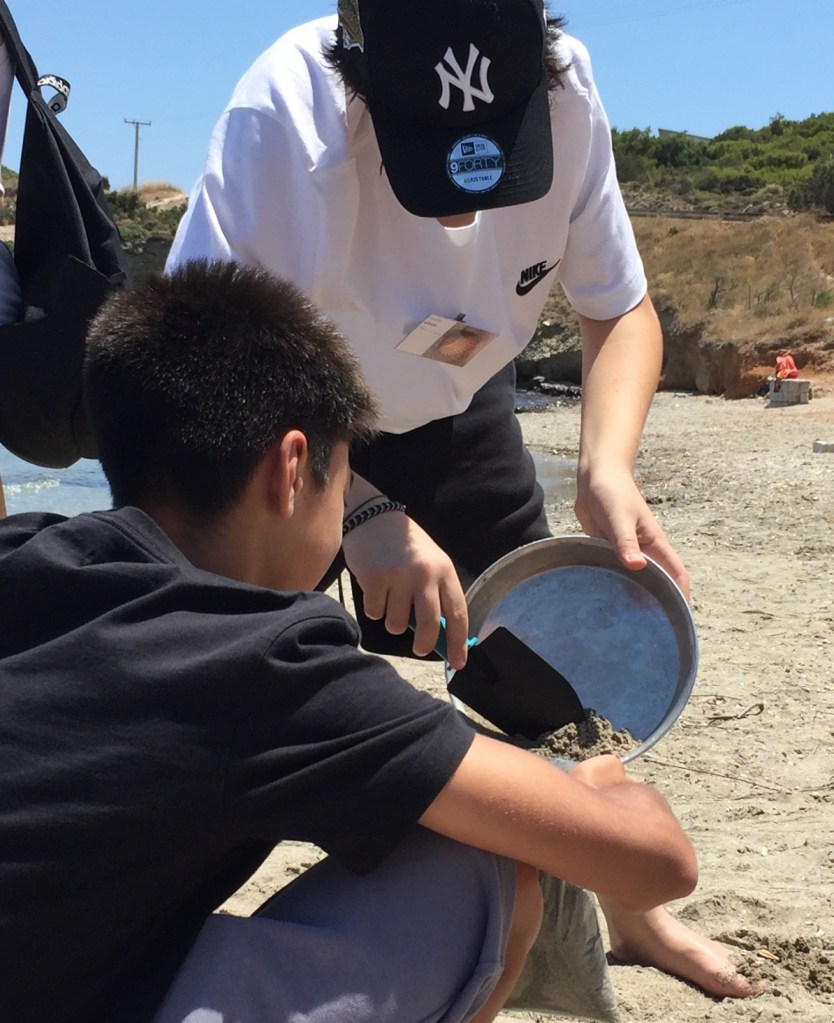
One of the core objectives of this initiative is to empower students to contribute directly to data collection. Participants are encouraged to conduct independent observations and measurements, documenting their findings throughout the year. They collect samples, take photographs, and record data, contributing valuable information to ongoing marine science research.
To facilitate the integration of their findings into the NEMO-Tools project, students receive clear instructions on data submission, ensuring proper documentation and analysis. This collaborative effort is further supported by the Horizon-funded projects Nexus-MonArc and DiverSea, enhancing the scientific impact of student contributions and creating additional synergies.
Citizen Science in Action: Arsakeio Summer School
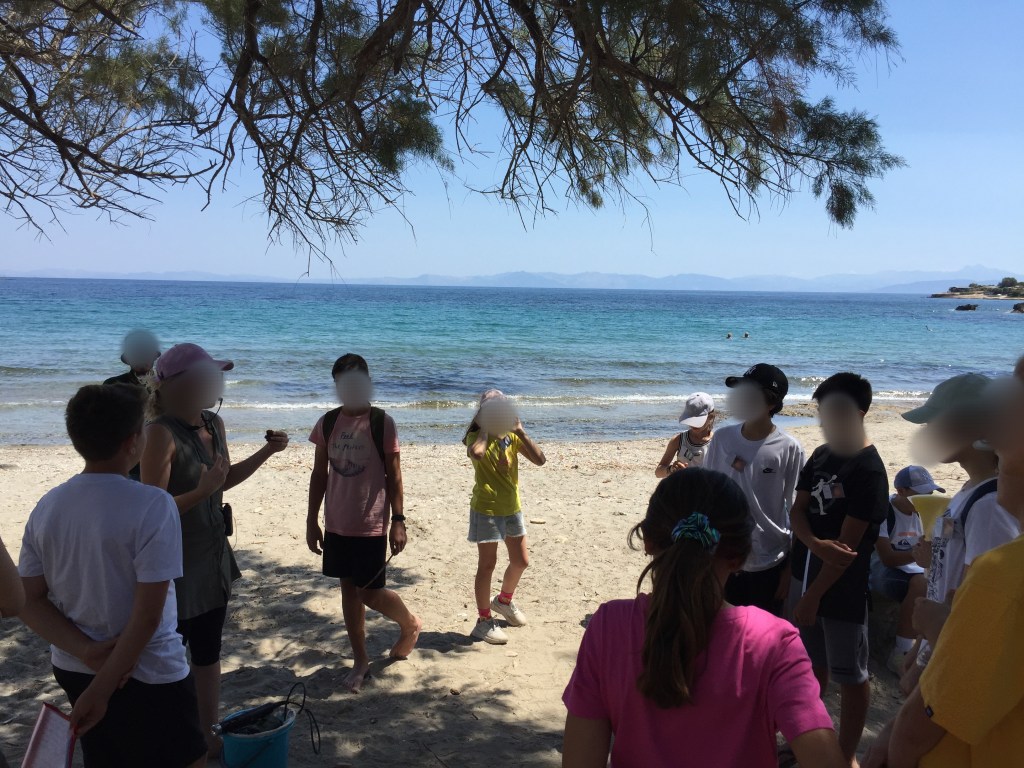
The first citizen science activity took place in Athens from June 17 to 21, 2024, at the Arsakeio Summer School. This initiative introduced primary school students to key concepts related to the marine environment, ecology, and conservation. The program combined fieldwork and laboratory activities, along with a visit to the NHUA, where students were introduced to the research process. Additionally, they participated in an entrepreneurship project, expanding their understanding of both scientific and practical aspects of environmental studies and innovation. With further activities scheduled in the coming months, the NKUA research team remains committed to engaging young minds in marine science and conservation, fostering a new generation of environmentally conscious citizens and researchers.
 NEMO-Tools